
Reading the Building: Constraints, Capabilities, and Hidden Potential

Structural and Utilities Reality Check

Start with floor flatness, load ratings, aisle widths, and ceiling heights; they influence AMR navigation, racking choices, and safety zoning. Map power availability, panel capacity, and drops, then plan data backbones, resilient Wi‑Fi, and interference mitigation. Validate sprinkler coverage, egress routes, and local code requirements. Document constraints early to guide equipment envelopes, charging locations, and traffic patterns. This disciplined baseline prevents expensive rework and emboldens confident vendor conversations grounded in measurable realities rather than optimistic guesses.

Process Mapping That Honors Everyday Work

Shadow operators through receiving, putaway, replenishment, picking, packing, and loading to capture truth beyond SOPs. Time motion studies, exception logs, and seasonal variance reveal fragile handoffs and unnecessary touches. Follow returns to understand contamination risks and rework queues. Preserve what already works well, and only automate where friction is chronic. When people recognize their routines in the future design, adoption soars, shortcuts vanish, and small automation cells slot gracefully into the rhythms that already deliver dependable service every day.

Risk Register That Guides Intelligent Trade-offs

Create a living risk register capturing safety, uptime, cybersecurity, code compliance, data integrity, and supplier viability. Score likelihood and impact, then pair mitigations like redundant networks, spare parts pools, and rollback plans. Involve maintenance, IT, safety officers, and finance to surface hidden concerns early. Use the register to compare options transparently, trading ambition against resilience. This shared artifact becomes a decision compass, curbing gold-plating while guarding essentials, and keeps leadership aligned when surprises inevitably appear under peak pressure.

Pilot Cells That Prove Value Fast

Select a pain point with measurable waste, like long walk time between pick zones. Deploy a minimal AMR shuttle loop or pick-to-light bay inside portable fencing. Define success as reduced touches, shorter cycle time, and fewer errors. Instrument everything, compare baselines, and run A and B shifts. Capture operator feedback daily, then tune paths, slotting, and replenishment cadence. When the data sings, extend hours, add vehicles, and replicate the pattern. When it stumbles, iterate swiftly without reputational scars.

Orchestration Layer as the Backbone

A warehouse execution or control layer harmonizes orders, inventory, and machine tasks without ripping out the core WMS. Robust APIs, message queues, and device adapters allow different vendors to coexist. This orchestration assigns work to people and robots, throttles release waves, and prevents aisle congestion. It also enables graceful degradation when subsystems hiccup. By investing early in orchestration, you avoid brittle point integrations, preserve vendor optionality, and gain the freedom to scale technologies as needs and economics evolve.

Change Windows and Parallel Running

Plan upgrades like air traffic control: scheduled downtime, rollback checkpoints, and staffed war rooms. Use parallel running to validate automated outputs against manual processes under real load. Stage inventory and define fallbacks for every cutover step. Communicate broadly with supervisors, drivers, and carriers, publishing clear expectations and escalation paths. After go-live, hold daily retrospectives to capture wins and address friction. These rituals harden confidence, protect customers, and transform each phase into a repeatable playbook for future extensions.

AMRs and Totes: Flexible Movement Without Rails

Autonomous mobile robots weave safely around people and pallets, guided by lidar, cameras, or markers. Start with simple milk-run routes, then graduate to dynamic task allocation through a fleet manager. Standard totes, staging shelves, and modular waypoints keep costs tame. Plan charging islands near idle zones and monitor battery health closely. Integrate with pick stations for hands-off transport. When volumes rise, add vehicles, zones, and missions rather than replacing infrastructure, preserving agility while multiplying labor productivity and order consistency.

Goods-to-Person Micro-Stacks

Mini-load shuttles, vertical buffer modules, or robotic cube stores deliver items to ergonomic stations without massive civil works. Begin with a single aisle or module connected to high movers, then loop in medium movers as ROI proves out. Blend carton flow for surges and bulky items. Keep maintenance paths accessible, spare parts organized, and software tuned to demand shapes. Operators benefit from reduced walking, predictable workflows, and safer motions, while cycle times shrink and slotting becomes a continuous, data-informed practice.

Vision-Driven Picking That Learns Quickly

Modern cameras and machine learning recognize diverse packaging, barcodes, and textures, guiding lights, displays, or robot grippers. Start with assistive vision at manual stations to raise accuracy and reduce training time. As confidence grows, introduce robotic picking for stable SKUs and repeatable grips. Continuously retrain models using mis-picks and edge cases captured in production. Measure confidence thresholds, dwell times, and exception rates. Results compound as operators trust the guidance, audits shrink, and customers receive orders that match exactly what they expected.

Upskilling Journeys That Respect Experience

Create modular training that maps existing skills to new responsibilities, honoring tribal knowledge about products, damage risks, and flow. Pair veterans with new hires in buddy systems that transfer both technique and judgment. Offer micro-credentials in troubleshooting, fleet operations, and data quality. Provide simulator time before live shifts. Track confidence, not just compliance, and reward knowledge sharing. When people see growth pathways and their wisdom reflected in procedures, resistance melts and the operation gains resilient, cross-trained problem solvers.

Safety by Design, Not Afterthought

Bake safety into layouts with clear lanes, guarded cells, and predictable robot behaviors. Use speed and separation monitoring, light curtains, and emergency stops rated for industrial duty. Validate with risk assessments and periodic drills. Keep signage, audible cues, and lighting obvious yet humane. Train everyone to escalate early, and treat near-misses as gold for improvement. Regularly inspect charging areas, cabling, and fixtures. When safety is part of everyday conversations and design reviews, uptime improves and workers trust the system.

Communication Rituals That Keep Momentum

Hold daily stand-ups at visual boards with metrics, alerts, and improvement experiments. Invite supervisors, IT, maintenance, and operators to raise blockers and celebrate completed fixes. Publish weekly updates that explain changes in plain language and preview upcoming tests. Keep feedback channels open, from QR surveys to open office hours. Recognize ideas that saved minutes or prevented errors. These rituals turn upgrades into a shared mission, reduce rumor stress, and help everyone navigate inevitable glitches with calm, informed confidence.

Data Plumbing: Integrations That Survive Reality

Connecting automation to a legacy WMS or ERP is less about elegance and more about resilience. File drops, APIs, and message queues must coexist without losing orders or duplicating work. Latency spikes, network hiccups, and version mismatches happen under pressure. Edge gateways buffer traffic and keep critical tasks alive during outages. We outline interface patterns, idempotent messaging, and observability dashboards. With disciplined naming, retries, and alerts, data flows remain trustworthy, enabling growth without sleepless nights and endless war-room firefighting.
Many warehouses run dependable but aging systems. Screen-scraping, scheduled exports, and EDI can pair with modern event streams to bridge eras. Introduce a message bus that translates legacy records into clean, versioned payloads for robots and apps. Enforce idempotency keys so repeats do not double-ship tasks. Document schemas and changes mercilessly. Start with read-only taps, then move to controlled writes. This careful bridging preserves institutional stability while unlocking incremental automation gains that do not require a disruptive big-bang replacement.
Model layout, travel paths, order mix, and staffing to simulate throughput before buying hardware. Use twins to test wave strategies, charging schedules, heat maps, and choke points across peak scenarios. Validate assumptions from pilot telemetry and update parameters continuously. Share visual outputs with operators and executives to align expectations. When expansion time arrives, the twin anticipates bottlenecks, reveals right-sized investments, and prevents surprises that once appeared only after forklifts idled and carriers waited impatiently at crowded docks.
Focus on throughput, order cycle time, touches per unit, pick accuracy, lines per labor hour, and sustained uptime. Track mean time to repair and recover after faults. Monitor utilization without rewarding unhealthy busyness. Tie metrics to customer promises like cut-off times and delivery windows. Publish trends, not snapshots, and annotate step-changes when processes evolve. By elevating meaningful measures, you steer investments toward reliability and flow, not flashy demos, and keep every conversation grounded in outcomes that customers actually feel.

Economics That Stand Up in the Boardroom
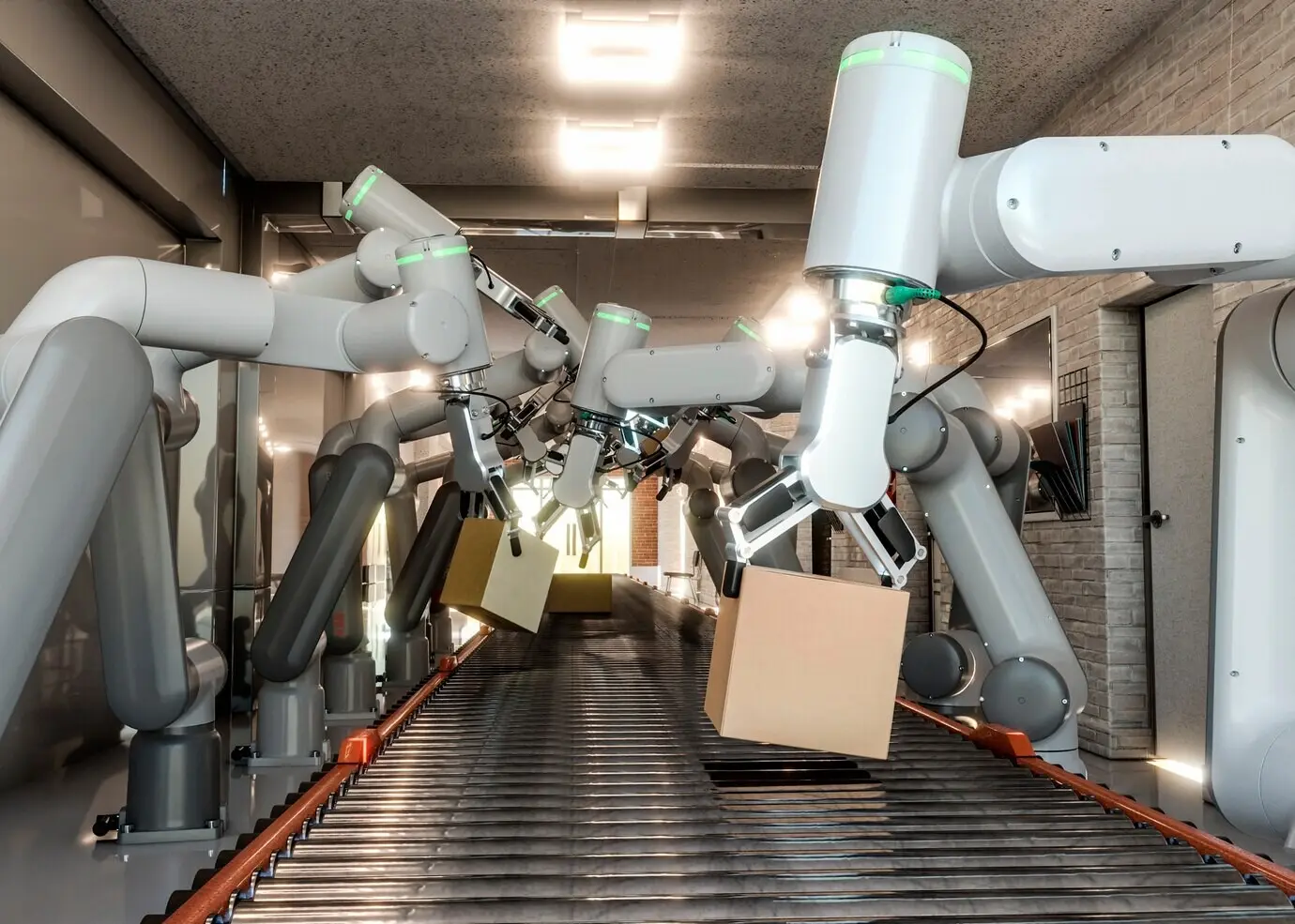
Strong cases blend hard savings, risk reduction, and growth. Phased investments minimize regret and compound returns as volumes rise. Compare total cost of ownership, including maintenance, spare parts, software, training, and utilities. Seek incentives, evaluate depreciation, and model service contracts realistically. We will show payback ranges from real projects, highlight assumptions that often slip, and quantify resilience benefits. Invite finance early, invite skepticism boldly, and publish dashboards that track commitments. When numbers speak plainly, approvals follow without theatrical persuasion.
Nuzavanoxazaropotuketu
Privacy Overview

This website uses cookies so that we can provide you with the best user experience possible. Cookie information is stored in your browser and performs functions such as recognising you when you return to our website and helping our team to understand which sections of the website you find most interesting and useful.