Layout Choices That Keep Humans Safe Without Slowing Robots

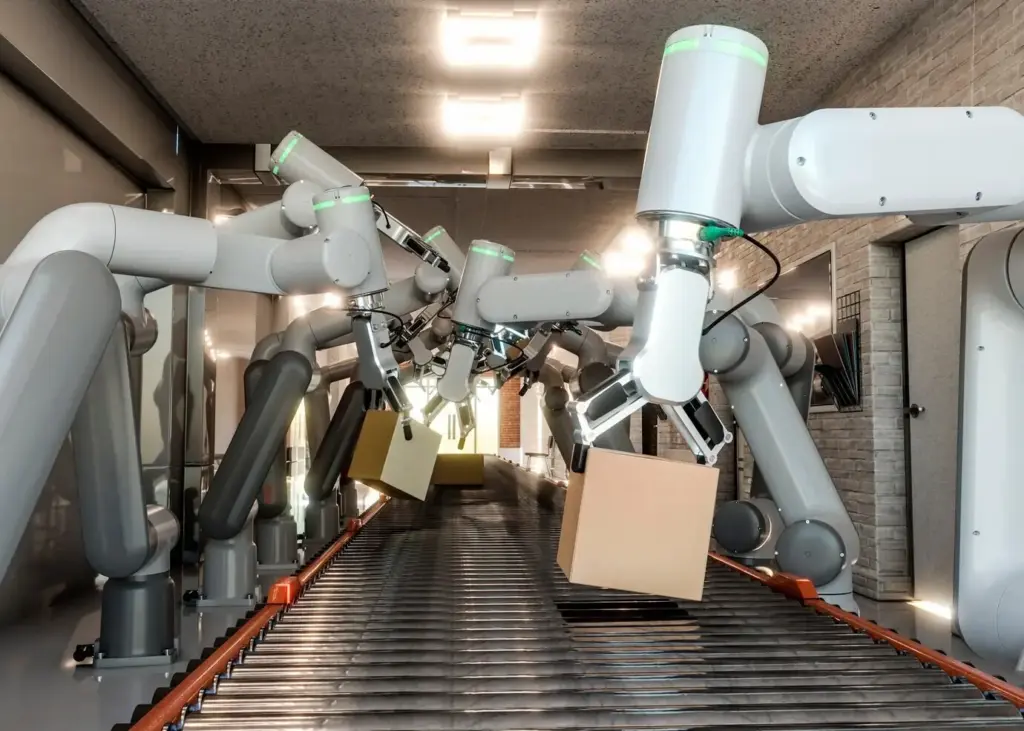
Great layouts anticipate imperfect days. By separating flows, clarifying right-of-way, and engineering escape paths, you reduce near-misses and delays. We translate risk maps into concrete aisle widths, crossing rules, and buffer zones that keep productivity high while ensuring everyone gets home safe, every single shift, even during peak volume or maintenance windows.

Decoding Standards, Codes, and Authorities

Safety Controls Architecture That Fails Safe

Emergency stops, safe torque off, and stop categories

Define intentional stopping behavior. Use Category 0 for immediate power removal and Category 1 for controlled deceleration before STO. Place E-stops where instinctive reach is likely, and verify contact reliability under dual-channel monitoring. Train crews to understand what stops where, so resets occur methodically, not hurriedly, after hazards are eliminated and verified.

Fencing, interlocks, and controlled access

Guarding is only effective when access is predictable. Choose guard locking with safety-rated interlocks and safe time delays for coast-down hazards. Add trapped-key systems where procedures must precede entry. Provide hold-to-run enable devices for taught movements. Clearly label safe zones inside cells, ensuring technicians can escape quickly if unexpected motion or alarms occur.

Validation, proof testing, and change control

Document every safety function: trigger, logic, output, and expected response time. Run proof tests during commissioning and schedule periodic verifications. Lock down change control so software updates, sensor moves, or conveyor modifications retrigger risk review and revalidation. This discipline prevents silent degradations that slowly erode protective performance across busy peak seasons.


People, Procedures, and Culture That Endure

Technology helps, but culture carries the day. Clear procedures, hands-on training, and psychologically safe reporting prevent small issues from becoming headline incidents. We share playbooks for onboarding, toolbox talks, and near-miss feedback loops that technicians respect because they were built together, tested on real shifts, and refined after honest post-shift debriefs.

Fire Protection, Egress, and Emergency Readiness

Automation changes heat release, airflow, and evacuation timing. Align storage configurations with commodity classes, confirm sprinkler density, and plan charging areas with ventilation and separation. Practice evacuations at peak staffing, counting contractors and visitors. Document impairments and maintain spare heads. Preparedness removes panic, guiding decisive action when seconds truly matter most.

Cybersecurity and Data Compliance for Connected Operations

Connected warehouses rely on resilient networks and disciplined access. Segment operational technology, enforce least privilege, and monitor changes to safety logic. Align with IEC 62443 or the NIST Cybersecurity Framework, and document data retention and privacy policies. A secure design protects uptime and ensures audits focus on excellence rather than emergency remediation.
Nuzavanoxazaropotuketu
Privacy Overview

This website uses cookies so that we can provide you with the best user experience possible. Cookie information is stored in your browser and performs functions such as recognising you when you return to our website and helping our team to understand which sections of the website you find most interesting and useful.