Smarter, Colder, Greener: Automation Architectures That Save Energy in Cold-Chain Warehouses
Today we dive into energy‑efficient automation architectures for cold‑chain warehouses, where minus‑degree aisles and nonstop logistics meet ambitious sustainability goals. Expect practical patterns, hard‑won lessons, and measurable tactics spanning controls, motion, data, and thermal strategies. Join the conversation, share your experiences, and help shape smarter facilities that protect food quality while cutting kilowatt‑hours and emissions without compromising throughput.
The Cost of Cold: Energy Fundamentals Under Freezer Conditions
Open doors, worn seals, and poorly insulated penetrations invite warm air that compressors must chase relentlessly. Quantify infiltration events with sensors and logs, then link them to compressor runtimes and defrost cycles. Small insulation fixes and smarter door logic often deliver surprisingly quick, defensible kilowatt reductions your finance team appreciates.
Freezers, coolers, docks, and pick tunnels experience different heat loads across shifts, sku mixes, and seasons. Map granular profiles from power meters and occupancy data to expose avoidable peaks. Align sequencing, staging, and defrost timing to the real curve, flattening demand charges while preserving quality and on‑time picks.
Energy per case, degrees‑minutes outside spec, and kWh per pallet‑kilometer drive better choices than vague efficiency slogans. Publish live dashboards at docks and breakrooms, celebrate improvements, and investigate outliers respectfully. When teams see cause and effect, doors close faster, routes shorten, and exceptions shrink without policing or pressure.
Ruggedized edge control that never sleeps

Freezer‑rated PLCs, sealed HMIs, and conformal‑coated boards resist condensation and thermal cycling. Prioritize local interlocks for doors, conveyors, and lifts, with watchdogs that fail safe. Use modular I/O so maintenance swaps frozen components fast, restoring throughput without warm‑up delays, while buffered logs preserve traceability until connectivity returns.
Real-time orchestration across AS/RS, conveyors, and AMRs
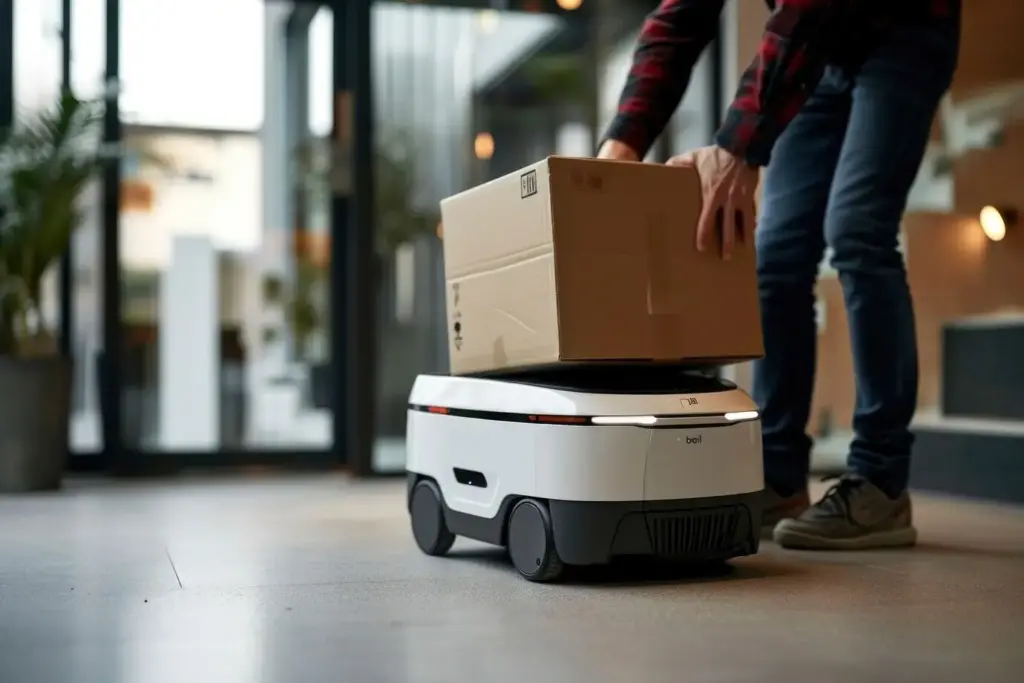
Material flow controllers should weigh order urgency, energy prices, and zone temperature stability, dispatching moves that minimize openings and idle horsepower. Coordinate AMR paths with door cycles and lift queues. When conditions drift, dynamic throttling slows noncritical work, avoiding spikes and preserving product while keeping service promises realistic.
Cloud analytics without latency pain

Batch heavy analytics and machine learning in the cloud, but push compact models to the edge for immediate action. Use MQTT or AMQP with backpressure and store‑and‑forward to ride out network issues. Encrypt everything, rotate credentials, and segregate tenants so insights scale without exposing operations to avoidable risk.
Intelligent Motion and Storage Systems That Sip Power
Variable speed, soft starts, and regenerative braking
Drives tuned for ramp rates and load weight reduce peak draws and mechanical stress, extending belt life and uptime. Where vertical motion is frequent, regenerative braking feeds energy back to the bus. Instrument everything, then auto‑select eco modes during low urgency windows without disrupting picks or carrier commitments.
Shuttle AS/RS and cube utilization strategies
High‑density storage cuts cubic feet of air to keep cold, but only if dwell times and access logic cooperate. Balance slotting to cluster fast movers near doors while limiting openings. Let algorithms weigh energy cost against travel distance, adapting nightly as order patterns and weather forecasts change.
AMR fleets tuned for icy floors
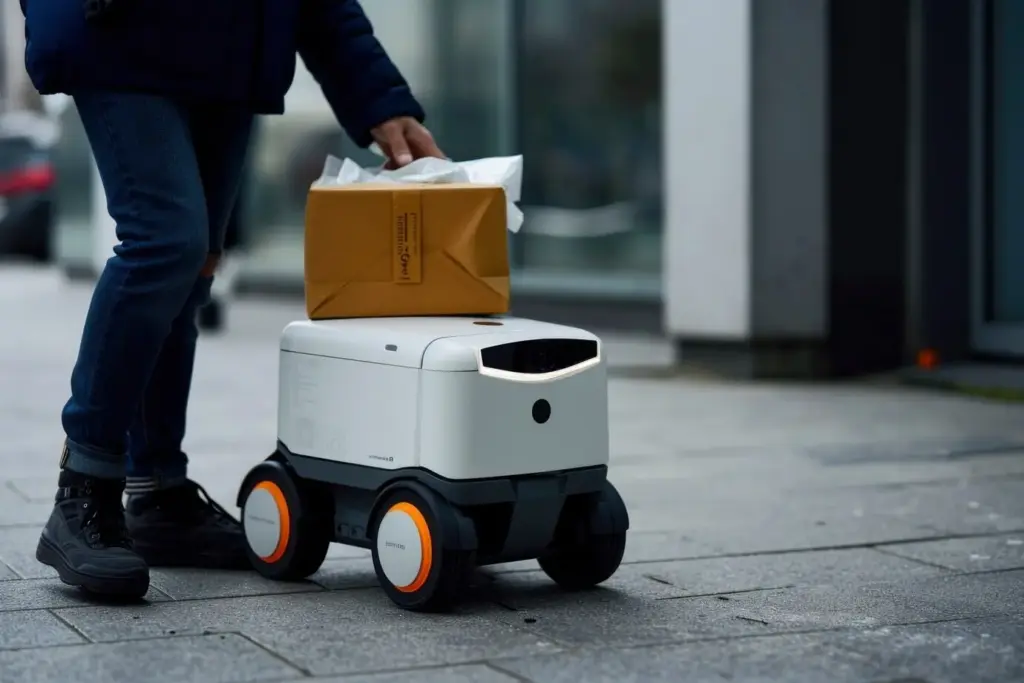
Cold tires, reduced traction, and condensation challenge navigation and battery performance. Select drive modules and LiDAR settings suited to frost, then schedule autonomous warm‑up laps and battery conditioning. Shared charging with dynamic limits prevents grid spikes, while fleet managers choose routes that reduce door cycles and idle heat.
Air management that actually holds the line
Balance fans, destratification, and make‑up air so pressure differentials favor the cold side. Add smart alarms when measured deltas drift. Curtains and air knives are powerful when synchronized with door interlocks. Share the why with crews; fewer drafts and safer floors make participation natural, not enforced compliance.
Door cycles, vestibules, and interlocks
Fast‑acting doors with staged vestibules reduce exchange dramatically, especially when tied to occupancy sensors and route planners. Interlocks prevent simultaneous openings across critical barriers. Audit cycle counts per shift and publish reductions. The resulting stability lets compressors idle more, cutting energy while actually improving handling and product assurance.
Data Models, Digital Twins, and Predictive Control
Good data turns intuition into action. Harmonize telemetry across compressors, doors, vehicles, and inventory to build reliable context. With a calibrated digital twin, you can test strategies offline, anticipate excursions, and deploy predictive control that trims peaks, shifts loads, and maintains product quality through changing conditions and demand.

Compliance, Reliability, and Human Factors
Certifications and audits are won or lost in daily habits. Architect systems that default to safe states, log proofs automatically, and make the efficient option the easiest option. Build redundancy where it matters, then empower people with feedback, clear ownership, and recognition so practices endure beyond project excitement.